Common Compliance Mistakes Nonprofits Make and How to Avoid Them
MN
Understanding Compliance in the Nonprofit Sector
Compliance is a critical aspect of running a nonprofit organization. It ensures that the organization operates legally and ethically, maintaining trust with stakeholders and the public. However, many nonprofits struggle with compliance due to limited resources and complex regulations. Understanding the common mistakes and how to avoid them can save your organization from potential legal issues and financial penalties.

Failure to File Annual Returns
One of the most common mistakes nonprofits make is failing to file necessary annual returns, such as the IRS Form 990. This form is essential for maintaining tax-exempt status. Missing the filing deadline can result in penalties or, worse, the loss of tax-exempt status. To avoid this, nonprofits should establish a reliable system for tracking important dates and deadlines.
How to Stay on Top of Filing
Consider implementing a compliance calendar to remind you of important deadlines. Additionally, assigning a dedicated staff member or hiring an external consultant to handle filings can ensure that nothing slips through the cracks.
Lack of Proper Record-Keeping
Nonprofits often overlook the importance of meticulous record-keeping. Proper documentation is crucial for both internal management and external audits. Inadequate record-keeping can lead to discrepancies in financial reporting, causing mistrust among donors and regulatory bodies.

Strategies for Better Record-Keeping
Invest in a reliable accounting system that can manage your financial transactions efficiently. Regularly train staff on the importance of maintaining accurate records and conduct periodic audits to ensure compliance.
Ignoring Employment Laws
Nonprofits must comply with employment laws just like any other organization. This includes adhering to wage and hour laws, anti-discrimination policies, and health and safety regulations. Failure to comply can lead to costly lawsuits and damage to the organization’s reputation.
Ensuring Compliance with Employment Laws
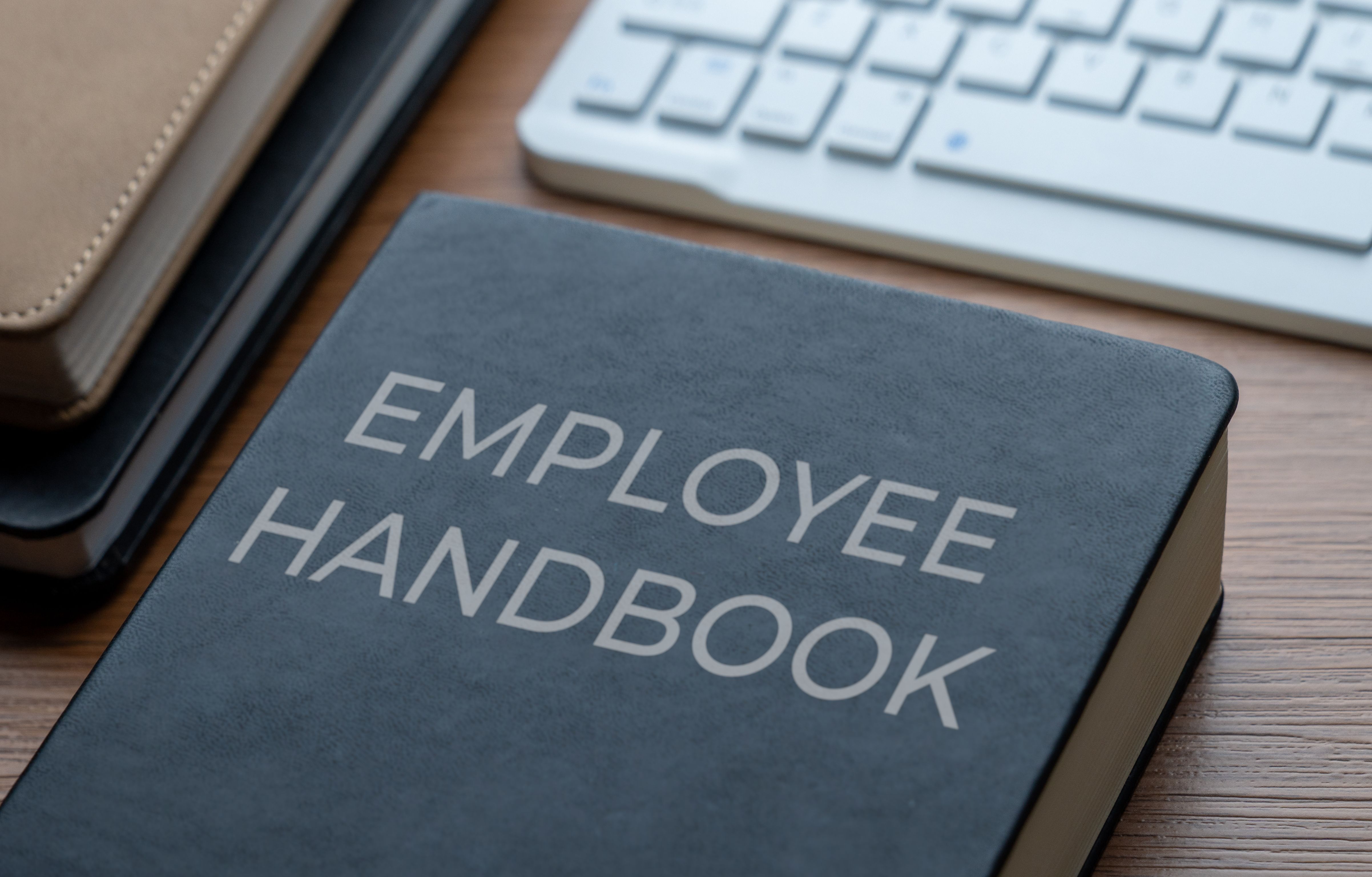
Stay informed about changes in employment regulations and seek legal advice when necessary. Developing comprehensive employee handbooks and offering regular training can help ensure that your organization remains compliant.
Conclusion
Compliance is a fundamental component of a nonprofit’s operations. By understanding and addressing common compliance mistakes, your organization can safeguard its reputation and continue to focus on its mission. Implementing proactive strategies such as using technology for record-keeping, staying informed about legal obligations, and seeking professional advice can significantly reduce the risk of compliance issues.