How to Conduct a Compliance Audit for Charities: A Step-by-Step Guide
MN
Understanding Compliance Audits for Charities
Conducting a compliance audit for charities is crucial to ensure adherence to legal and ethical standards. These audits help maintain trust, transparency, and accountability, essential for a charity's reputation and effectiveness. By following a systematic approach, charities can identify potential issues and rectify them promptly.

Preparing for the Audit
Preparation is key to a successful compliance audit. Begin by gathering all relevant documents, including financial records, tax filings, and organizational policies. It’s important to have a clear understanding of the compliance requirements specific to your jurisdiction, as these can vary significantly.
Establish a timeline for the audit process. This should include deadlines for document submission, review periods, and report generation. Assign responsibilities to team members to ensure a smooth workflow.
Conducting the Audit
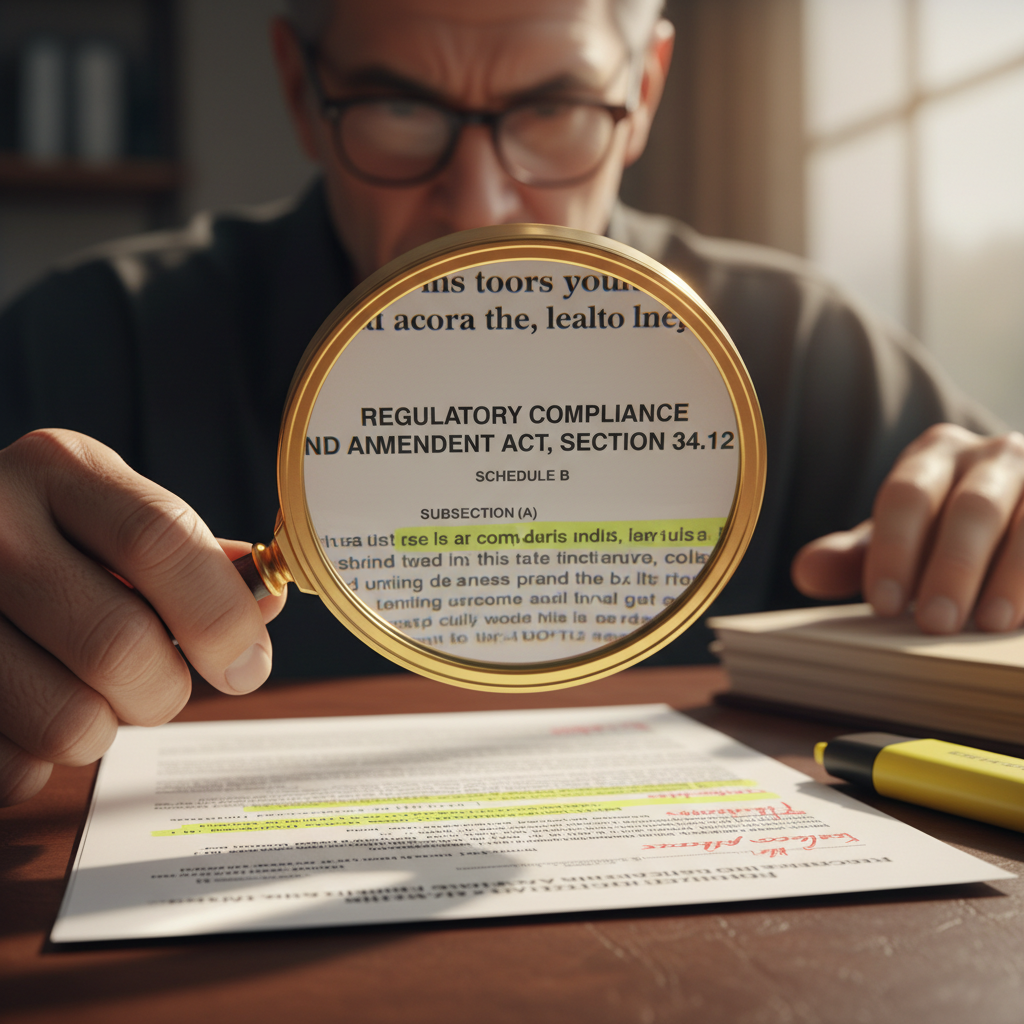
The actual audit involves a detailed review of the charity’s operations and records. This can be broken down into several stages:
- Document Review: Examine financial statements, tax returns, and other key documents to ensure accuracy and completeness.
- Policy Evaluation: Assess whether the charity's policies align with legal requirements and best practices.
- Staff Interviews: Conduct interviews with staff to understand daily operations and identify any potential compliance gaps.
Analyzing the Findings
Once the data is collected, analyze the findings to identify any discrepancies or areas of non-compliance. This analysis should be thorough, as it forms the basis for the audit report. Look for patterns or consistent issues that may require immediate attention.
It is also beneficial to compare the current audit findings with previous audits to track improvements or recurring problems. This will help in understanding the charity's progress over time.
Reporting and Recommendations
The audit report is a critical component of the process. It should clearly outline the findings, detailing areas of compliance and non-compliance. Provide actionable recommendations to address any identified issues. These recommendations should be specific, measurable, and time-bound to facilitate implementation.

Implementing Changes
After the audit report is delivered, the next step is implementing the recommended changes. This may involve revising policies, enhancing training programs, or improving financial oversight. It’s important to prioritize changes based on their impact on the charity’s operations and compliance status.
Regular follow-ups should be scheduled to assess the effectiveness of these changes and ensure sustained compliance.
Continuous Improvement
Compliance audits should not be viewed as a one-time event but rather as part of a continuous improvement strategy. Regular audits help charities stay ahead of regulatory changes and maintain high standards of governance. By committing to ongoing compliance efforts, charities can build stronger, more resilient organizations.