Preparing Your Nonprofit for Seasonal Compliance Challenges
MN
Understanding Seasonal Compliance Requirements
Seasonal compliance challenges can pose significant hurdles for nonprofits, especially during critical times of the year. These challenges often arise from regulatory requirements that vary depending on the season or fiscal year-end. Preparing for these compliance demands is crucial to maintaining operational integrity and trust with stakeholders.

Key Areas of Focus
To effectively navigate seasonal compliance, nonprofits should focus on several key areas. These include financial reporting, donor acknowledgment, and regulatory filings. Each of these areas requires meticulous attention to detail and timely execution to ensure compliance.
Financial reporting often requires additional scrutiny during certain times of the year, such as the end of the fiscal year. Ensuring that your financial statements are accurate and complete is fundamental to compliance.
Effective Planning and Preparation
Advance planning is essential for meeting seasonal compliance challenges. Start by creating a detailed compliance calendar that outlines all necessary deadlines and requirements throughout the year. This proactive approach helps in avoiding last-minute surprises and reduces stress on your team.
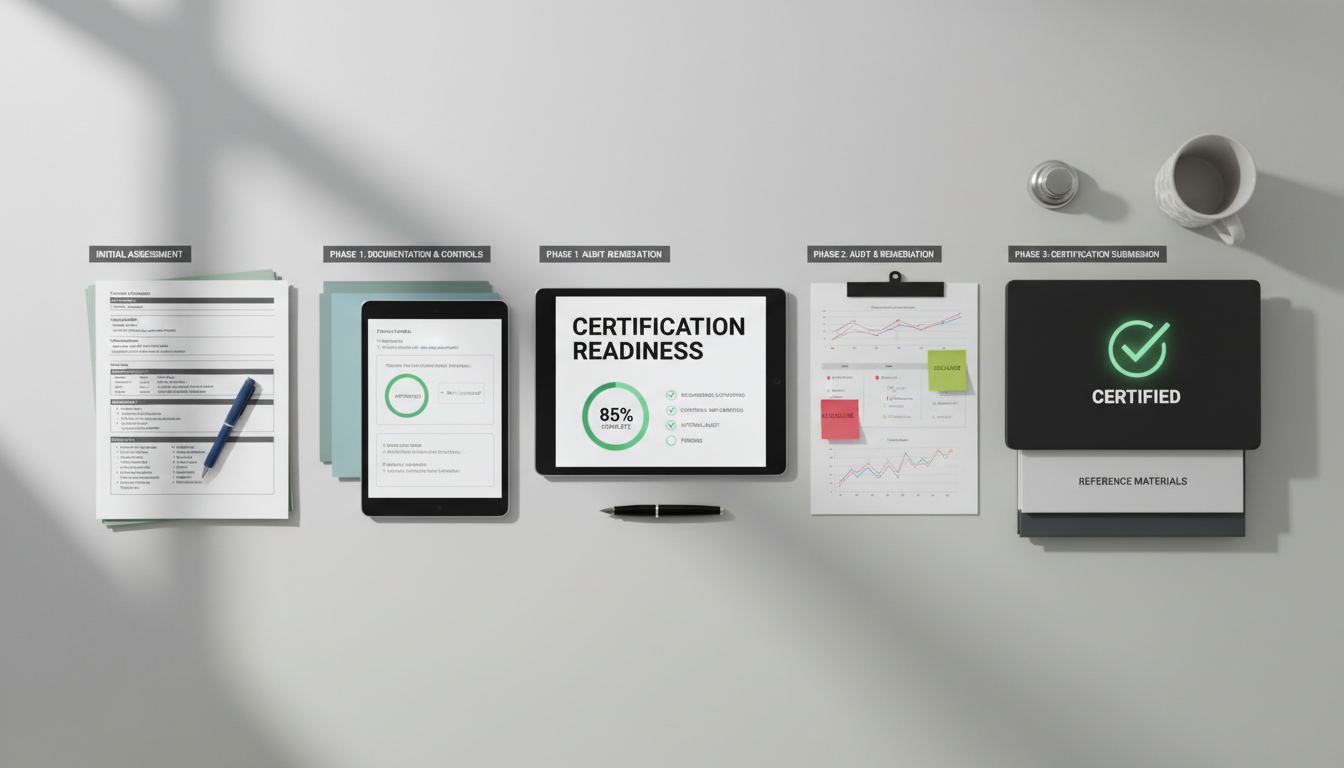
In addition, training your staff on compliance requirements can be beneficial. Regular workshops or seminars can keep your team informed about any changes in regulations and best practices for staying compliant.
Leveraging Technology for Compliance
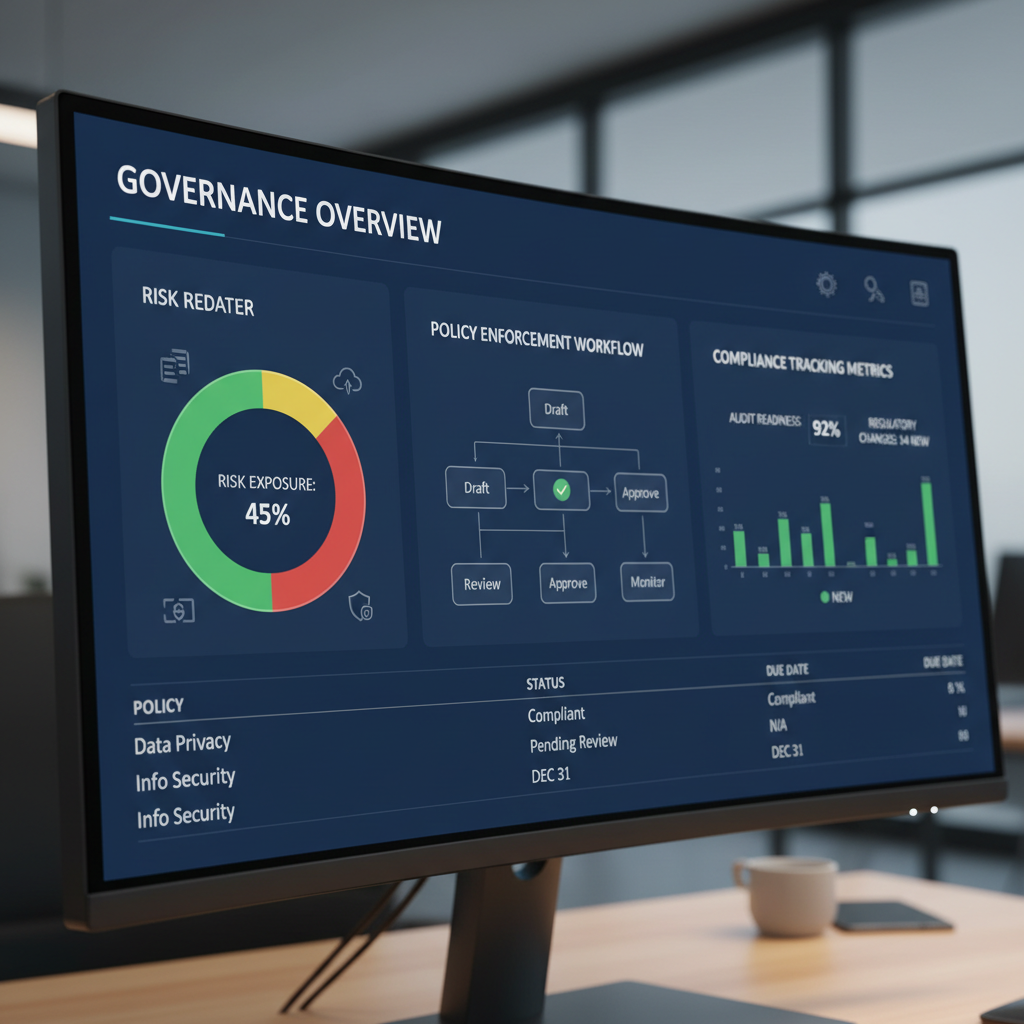
Technology can be a powerful ally in managing compliance requirements. Consider investing in compliance management software that can automate many of the routine tasks associated with maintaining compliance. This can include automatic reminders for filing deadlines and digital storage of important documents.
Such tools not only streamline the compliance process but also minimize the risk of human error, which can be costly and time-consuming to rectify.
Engaging with Professional Advisors
Engaging with professional advisors, such as accountants or legal experts, can provide valuable insights and assistance. These professionals can offer expert advice tailored to your nonprofit’s specific compliance needs and help ensure that you meet all legal requirements.
They can also assist in interpreting complex regulations and identifying any potential compliance gaps that need to be addressed.
Conclusion
Preparing for seasonal compliance challenges requires a proactive and strategic approach. By focusing on key areas, leveraging technology, and engaging with professional advisors, nonprofits can navigate these challenges effectively. This not only ensures compliance but also strengthens the organization’s overall credibility and operational efficiency.
Ultimately, with the right preparation and resources, your nonprofit can successfully meet the demands of seasonal compliance and continue to focus on its mission-driven goals.